Visit Red Dot Miami December 3-7 and enjoy a rich selection of magnificent art!



2025
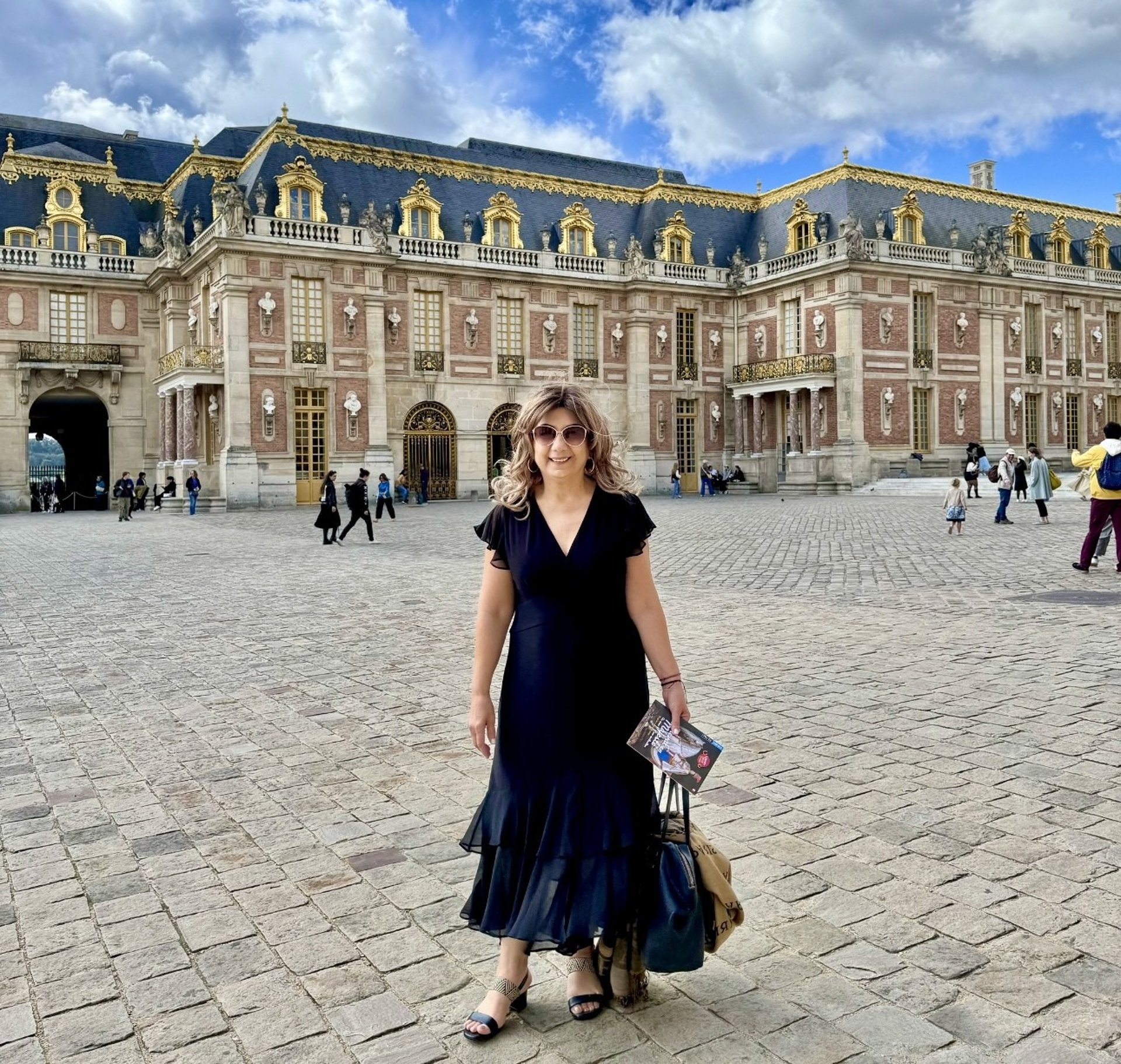
About Me
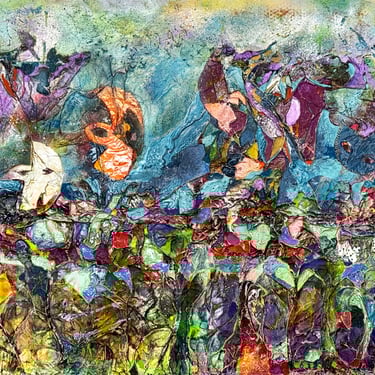
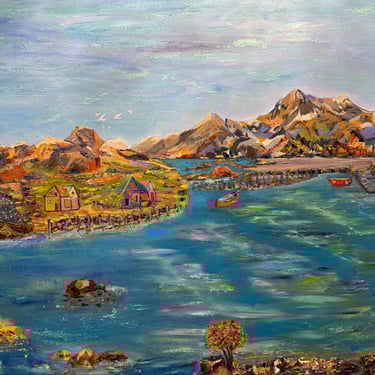
My work is a celebration of experimentation, storytelling, and individuality. Informed by early training in Lebanon, enriched by studies in the U.S. and Canada, and inspired by international gallery traditions, I work with acrylic, natural pigments, cold wax, marble dust, and oil to create abstract realist paintings. These materials allow me to transform traditional fine art practices into contemporary works with technique and narrative converge.
Each painting is conceived as a unique creation, balancing technical discipline with imaginative expression. My practice moves through abstract realism — the space where the recognizable meets the experimental — echoing the sensitivity of Impressionism and the emotional intensity of Expressionism, while remaining distinctly my own. I aim to elevate raw, elemental materials into fine art that is original, engaging, and aligned with my philosophy: do not copy others; create to be copied; be unique, like my life.
Margueritte Tonbazian
Discover the harmony of emotion and abstraction in contemporary art.
The Art of Making an Impression
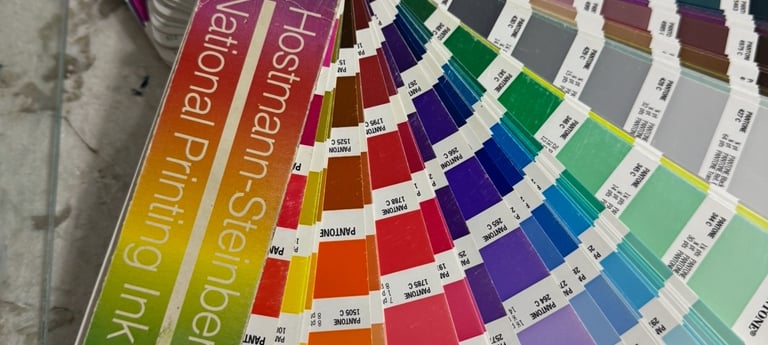
“Color has a powerful effect on how we feel and what draws our attention. The vibrant new green of this BMW is a perfect example—bold, fresh, and instantly eye-catching. This shade doesn’t just blend into the background; it commands presence. It signals confidence, individuality, and a sense of forward energy. Whether seen on the move or standing still, this striking green transforms the car into a statement piece, leaving a memorable impression on anyone who crosses its path. Color is a language that carries emotion—an unspoken dialogue between the subject and the artist, and then between the art and its observer. It stores every action and reaction within it, holding the energy of the moment it captures."
“And that’s when it becomes art—through personalization. Every artist interprets the same moment differently, filtering it through their own experiences, instincts, and emotional lens. This individuality turns a shared scene into countless unique expressions, each one shaped by the artist’s inner world. It is this personal translation that elevates color from something we see to something we feel, allowing the artwork to live beyond time and speak differently to every observer.”
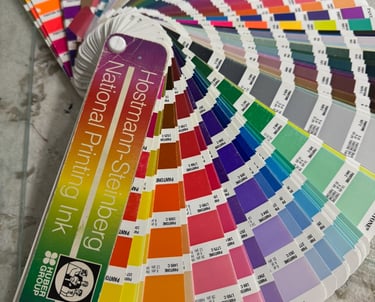
When an artist is painting, they’re constantly chasing the way light and color shift throughout the day. Morning light feels soft and calm, with gentle values and cooler tones. As the day moves on, colors warm up, shadows deepen, and everything starts to carry a different kind of energy. Some artists are drawn to that peaceful sunrise mood, while others love the drama and richness that comes with sunset. And this matters when you’re choosing art for your space: the moment that inspired the artist becomes the emotion you feel every time you look at the piece. If you’re someone who loves calm, soothing atmospheres, you’ll connect with artwork born from morning light. If you prefer warmth, boldness, or intensity, sunset-inspired work will speak directly to you. The changing light doesn’t just shape the painting — it shapes the mood it brings into your home.
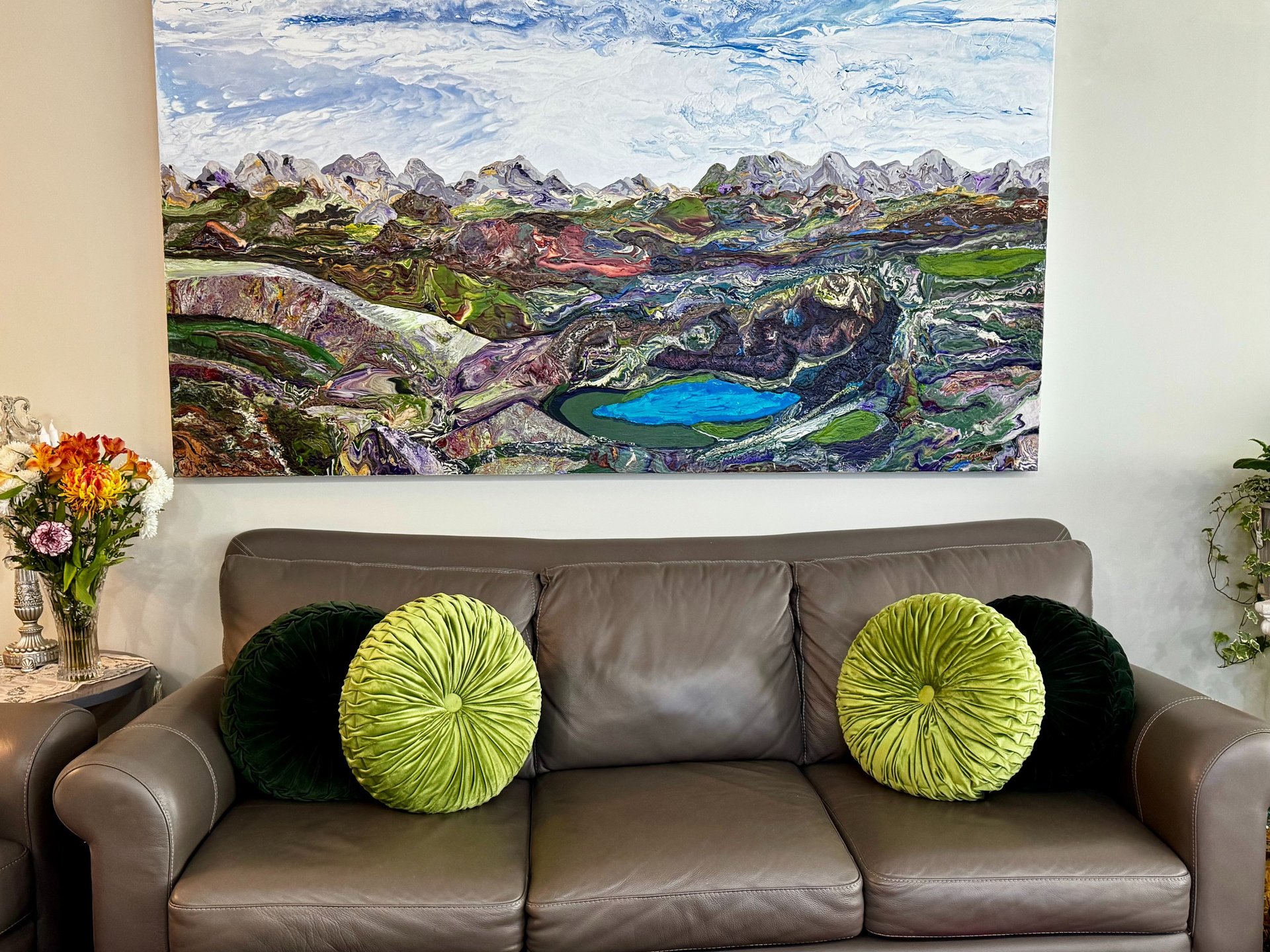
Emotions run high in art, and that’s why choosing the right piece for each room matters so much. Every space in your home has its own personality. Your living room might call for something warm and welcoming — a piece that invites people in and sparks conversation. A corridor can handle something bold or intriguing, something that surprises you as you walk by. And a bedroom usually feels best with softer, calmer emotions, something that settles the space rather than competes with it. The colors, the light, and the moment the artist captured all play a role in how a piece makes you feel once it’s part of your daily life.
Where you live also shapes the kind of art that feels ‘right.’ A cozy cottage in the countryside won’t connect with the same artwork that fits a sleek condo overlooking Central Park. The atmosphere, the lifestyle, and even the pace of life influence what subject matter feels natural in your space. A home in Tuscany might lean toward warm landscapes, vineyards, and scenes that celebrate food, wine, and slow living. Meanwhile, a San Francisco address surrounded by tech and innovation might feel more aligned with modern lines, bold colors, or urban-inspired pieces.
Art should reflect not only who you are, but where you are — because it becomes part of your environment, quietly echoing the world around you. When you choose a piece, you’re choosing the emotion, energy, and story you want your space to carry every day.


For me, ideas usually arrive when I’m in motion. There’s something about driving — the speed, the rhythm of the road, the world rushing by — that shifts everything into a different dimension. It’s as if the present moment goes quiet, almost suspended, and my mind slips into a space where creativity wakes up. Passing endless sunflower fields glowing under the sun, watching geese explode out of the water together, or gliding through those suburban streets rising and falling over the hills… the faster I move, the more these scenes feel like fragments from another world. They blend with the emotion of the moment, and suddenly a spark turns into an idea. Ordinary moments transform when they collide with motion, and that change of dimension is where many of my concepts are born.
Margueritte's art speaks to my soul, capturing the essence of nature and emotion in a way that feels both personal and universal.
Emily R.


★★★★★
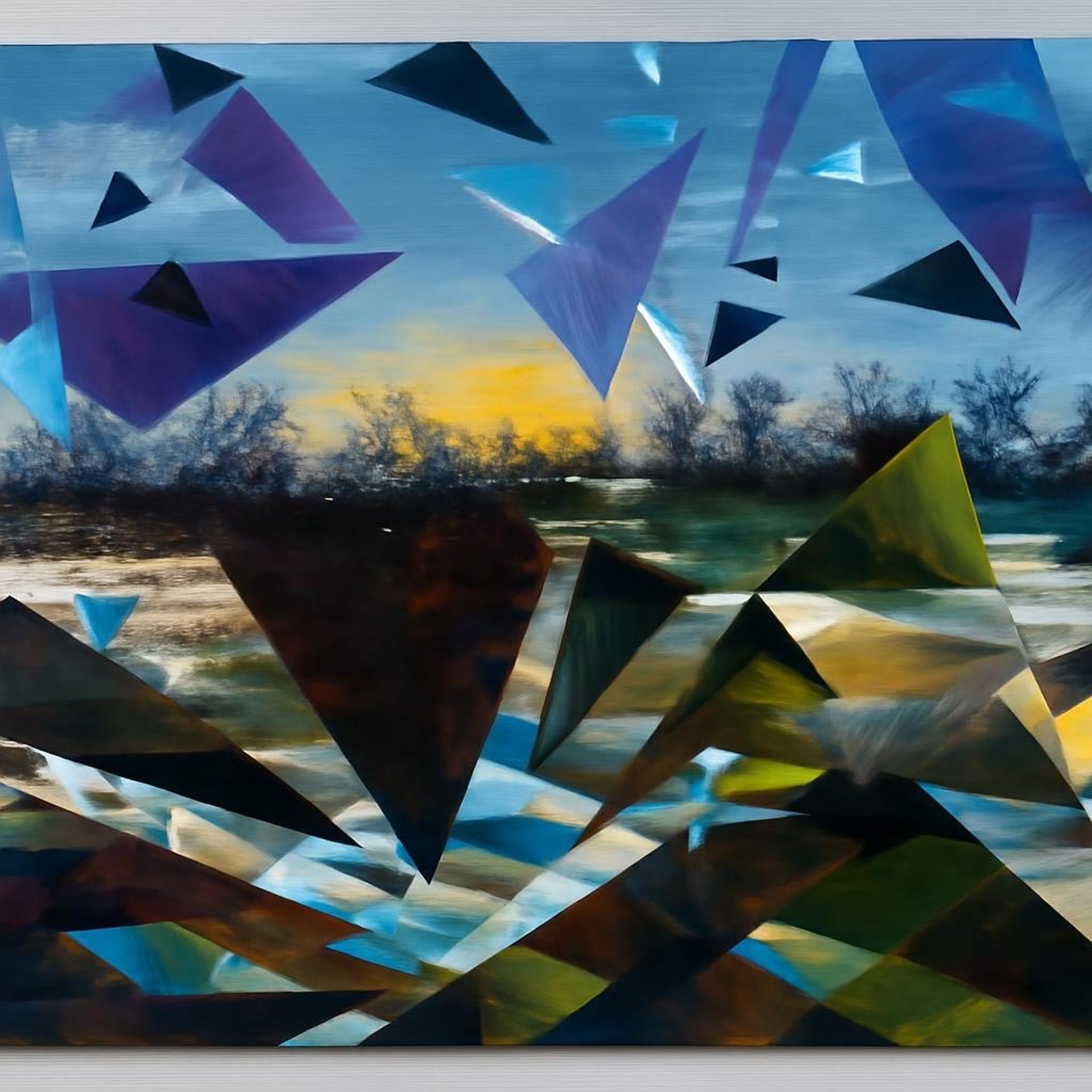
When Time Turns Paintings into Treasures.
Many of the artists we now consider legends weren’t fully appreciated in their own time. Van Gogh sold only a handful of paintings while he was alive, yet today his works are priceless. Frida Kahlo became widely celebrated decades after her passing. Even Monet and the Impressionists were once dismissed by critics before becoming some of the most sought-after names in art history. Art is a lot like wine — it matures, it gains depth, and its value grows as time reveals its importance. Collectors understand this. They’re not just buying a painting for today; they’re investing in a piece of an artist’s story, knowing that as that story unfolds, the artwork can appreciate in value. Sometimes a piece becomes more significant after the artist is gone, simply because their body of work becomes finite. Owning art isn’t only about filling a wall; it’s about holding onto something that can grow in meaning, rarity, and worth over time.
Email:
Instagram:
© 2025. All rights reserved.
Website: